Framed Botanical Prints: Transform Your Home with Nature
Key Takeaways
- Framed botanical prints are a timeless, versatile décor choice that fits interior styles ranging from vintage farmhouse to modern Scandinavian minimalism;
- Every room in your home, from the living room to the kitchen, can be transformed by the organic texture and calming palette of botanical wall art;
- Building a botanical gallery wall is all about mixing print subjects, sizes, and frame finishes to create a layered, curated look;
- Mixtiles' adhesive and repositionable frames let you display and rearrange your botanical prints anywhere in your home, no nails, no damage, no commitment.
Botanical prints have decorated walls for centuries, first as scientific records, then as beloved works of art. Today, they are one of the most sought-after choices in home decor, and it is easy to see why. Framed botanical prints bring the tranquility of nature indoors without the upkeep of live plants. Whether you are drawn to vintage botanical illustrations, modern watercolor florals, or sleek black-and-white sketches, this guide will inspire you to style botanical prints framed beautifully in every room.
Ready to bring botanical beauty to your walls? Create stunning gallery walls with Mixtiles. Explore our collection of wall arts today.
Why Are Framed Botanical Prints Having Such a Big Moment Right Now?
Botanical prints are not just a trend. They are a response to a deeper need. As more people embrace biophilic design, the idea that humans thrive when surrounded by nature, the desire to fill living spaces with plants, natural textures, and organic imagery has genuinely surged. Framed botanical prints deliver that connection in the most accessible way possible: no watering, no sunlight requirements, and no wilting.
Beyond the wellness angle, botanical art carries an inherent elegance rooted in centuries of tradition. From the detailed engravings found in 17th-century herbaria to today's loose watercolor florals, this genre of wall art ages beautifully and never feels out of place. It is the rare category of home decor that is simultaneously historical and completely fresh.
What Styles of Framed Botanical Prints Are There to Choose From?
There is no single look for botanical prints framed on your walls. The style you choose will define the mood of your entire space, so it helps to know your options before committing to a direction.
Vintage and Antique Botanical Illustrations

These prints draw from historical herbaria and scientific plant atlases, featuring fine-line engravings of ferns, tulips, and exotic flora often rendered on aged cream paper. Antique botanical prints and vintage botanical art lend warmth and a sense of history to traditional, farmhouse, or eclectic interiors. They pair especially well with warm wood tones and gold frames.
Modern Watercolor and Minimalist Plant Prints

Soft color washes, loose brushstrokes, and generous negative space define this contemporary take on floral prints. These botanical art prints feel fresh and airy, making them ideal for Scandinavian, bohemian, or contemporary spaces. A modern botanical poster in blush, sage, or dusty blue can anchor a neutral room without overwhelming it.
Black and White Botanical Sketches

For a more graphic and refined aesthetic, black and white botanical art offers incredible versatility. These prints slot seamlessly into modern, industrial, or monochromatic interiors, adding visual interest without competing with existing colors. They also work beautifully as part of a mixed-media photo gallery wall alongside photography and typography.
|
Style |
Key Features |
Best Interior Match |
|---|---|---|
|
Vintage and Antique |
Fine engravings, aged paper, detailed line work |
Farmhouse, traditional, eclectic |
|
Modern Watercolor |
Soft color washes, loose brushstrokes, airy feel |
Scandinavian, bohemian, contemporary |
|
Black and White Sketches |
Graphic lines, high contrast, minimal color |
Modern, industrial, monochromatic |
Which Rooms Are Perfect for Botanical Prints Framed on Your Walls?
One of the greatest strengths of botanical wall art is its room-to-room flexibility. Virtually every space in the home benefits from the organic calm that plant and flower imagery brings.
Living Room: Make a Green Statement
The living room is the ideal canvas for a large-format framed botanical print as a focal point above the sofa or fireplace. For a more dynamic look, group several botanical art prints of different sizes into a curated botanical gallery wall above a console or bookcase. Vintage botanical wall art works particularly well in living rooms with warm, layered interiors. For more inspiration on styling your space, explore these living room wall decor ideas to find arrangements that complement your botanical prints perfectly.
Bedroom: Create a Calm, Organic Retreat
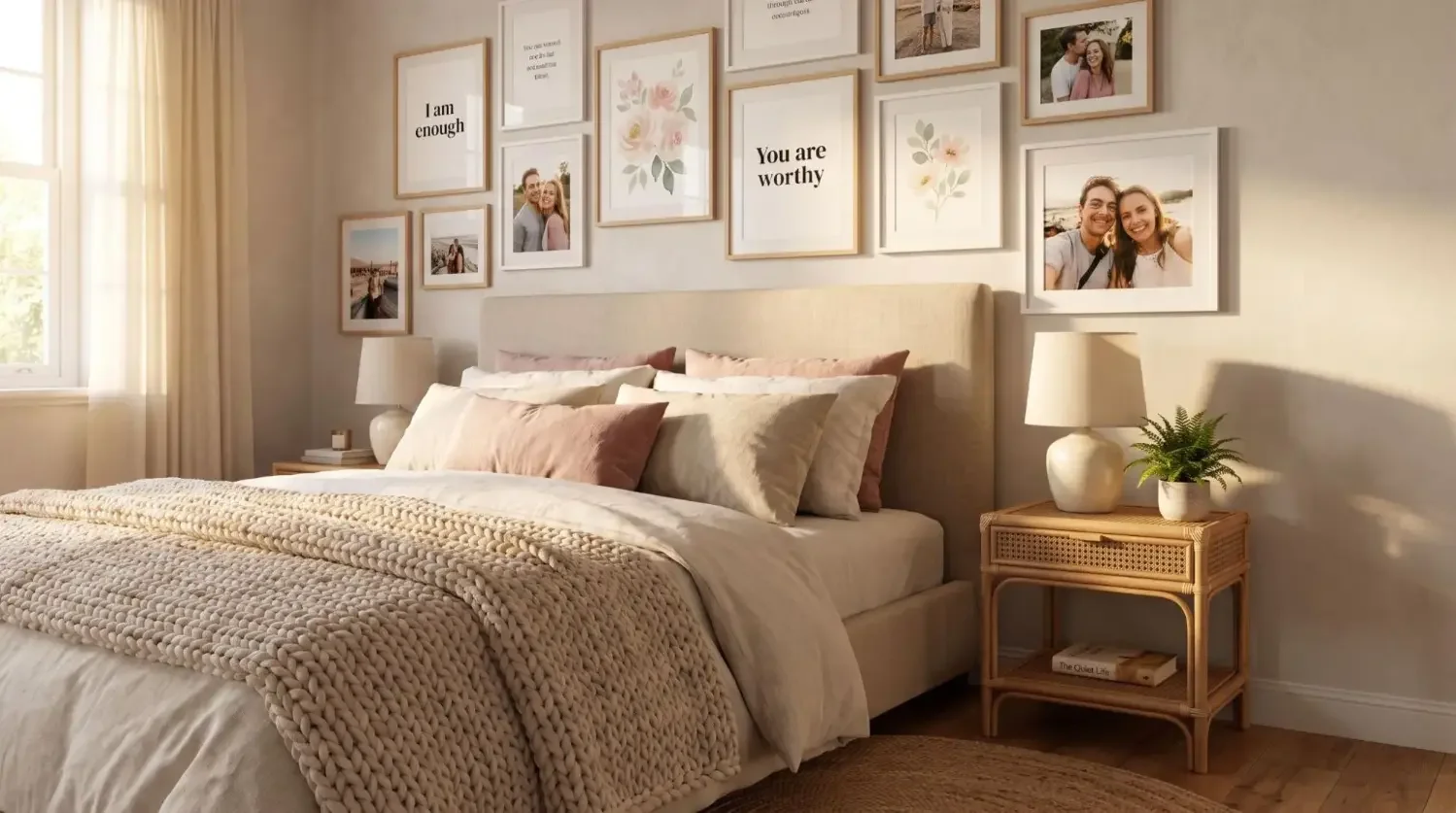
Framed botanical prints bring a naturally soothing energy to the bedroom. Hang a pair of matching fern or flower wall art prints on either side of the bed for a balanced, serene composition. Soft watercolor florals in muted greens and whites are especially well-suited to this space.
Kitchen: Bring Herbs and Fruits to Life
Illustrated herbs, vegetables, and fruit botanical prints have a long tradition in kitchen décor. Framed in simple natural wood or matte black, they add warmth and character to kitchen walls. Vintage botanical art featuring culinary plants is particularly charming in farmhouse-style kitchens. If you want to go further with your kitchen display, these kitchen wall decor ideas offer a wealth of styling approaches that pair beautifully with botanical themes.
Home Office and Hallway: A Subtle Touch of Nature
Even small framed wall art featuring botanical subjects can make a hallway or home office feel far more welcoming. A single striking botanical illustration or a narrow vertical grouping of prints is all it takes to breathe life into these often-overlooked spaces.
Styling your home with botanical prints is easier than ever. Turn your favorite designs into beautiful canvas prints. Explore our custom canvas prints and get started today.
How Do You Build a Botanical Gallery Wall That Actually Works?
A botanical gallery wall is one of the most rewarding decorating projects you can take on, and it is far more forgiving than it looks. The secret is starting with a clear set of guiding principles before you hang a single print. Apply these four to keep your arrangement cohesive and intentional:
- Play with scale by alternating large anchor prints with smaller accent pieces to create natural rhythm and visual depth;
- Keep a color thread by grounding your arrangement with a unifying palette, such as muted greens, earthy neutrals, or cream and black, even if individual prints vary;
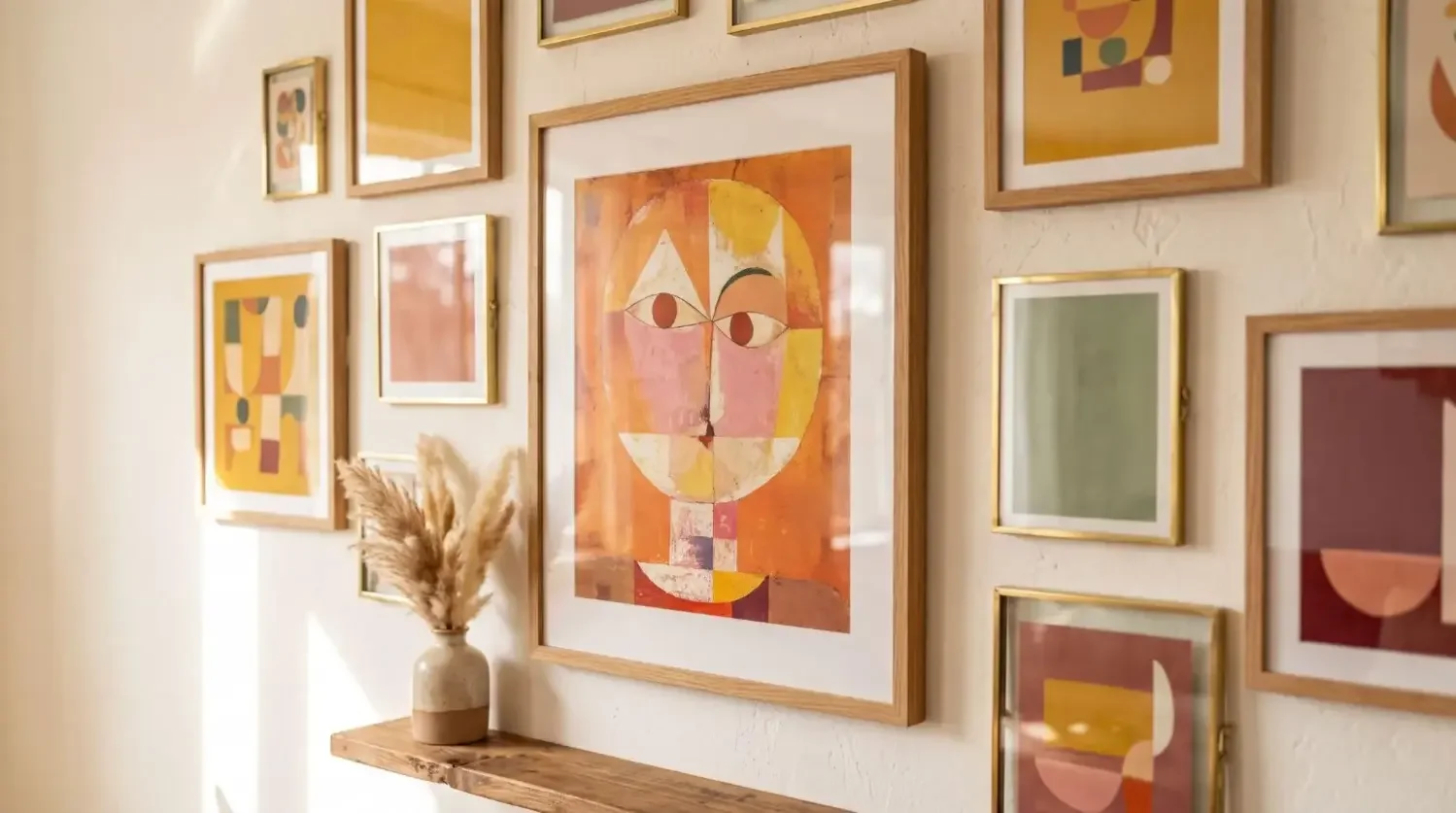
- Vary your frame finishes thoughtfully, since a considered mix of natural wood, black, and gold adds dimension without feeling chaotic;
- Choose your layout style: a tight grid reads as clean and modern, while a salon-style arrangement feels organic and layered, ideal if you plan to add prints over time.
How Do You Match Framed Botanical Prints to Your Existing Décor?
Matching your botanical art prints to the rest of your room comes down to reading the palette and mood of your existing space. In neutral interiors, bold botanical prints with rich greens or blush tones add personality without overwhelming a quiet palette. In already colorful rooms, black-and-white botanical sketches or muted watercolor floral prints create balance rather than competition.
Frame color matters just as much as the print itself: warm wood frames suit rustic or bohemian styles, gold frames elevate vintage botanical prints, and black frames sharpen a modern or minimalist space. Finally, positioning your framed botanical art near potted plants creates a layered, immersive nature-inspired corner that beautifully blurs the line between art and living décor.
How Can Mixtiles Make Displaying Botanical Prints Completely Effortless?
One of the biggest barriers to decorating with botanical prints framed on your walls is commitment: the fear of holes, misaligned frames, or a layout you will want to change next season. Mixtiles removes all of that. With Mixtiles' adhesive, repositionable photo tiles, you gain complete creative freedom to build and evolve your botanical wall art display at any pace. If you are wondering how to approach a damage-free setup, this guide on how to hang wall art without nails walks you through everything you need to know. Here is what that looks like in practice:
- Hang your botanical prints without a single nail, since tiles stick firmly to the wall and peel off cleanly whenever you are ready to rearrange;
- Start small and expand over time by beginning with two or three prints and growing your botanical gallery wall as your collection develops;
- Upload your own botanical photography and turn a macro shot of a wildflower or a downloaded vintage botanical illustration into a print-ready tile in minutes;
- Mix and match sizes across Mixtiles' full range, from 8x8 canvas prints up to 27×36 inches, to build the exact gallery wall layout you have been envisioning.
Botanical prints framed on your walls are one of those rare décor choices that feel both timeless and utterly of the moment. Whether you are building a full botanical gallery wall, adding a single statement piece to your bedroom, or bringing vintage botanical wall art into your kitchen, this category of home decor adds warmth, character, and a genuine connection to the natural world. The key is finding a style that resonates with you and giving yourself the freedom to evolve your display over time. With Mixtiles, that freedom comes built right into the product.
Your botanical display is just a few clicks away. Start creating with our repositionable photo tiles today. No nails, no limits.
Frequently Asked Questions
What size framed botanical prints should I choose for my wall?
Consider the scale of the wall and surrounding furniture. A large statement wall above a sofa suits prints 24 inches or wider, while smaller spaces work better with prints between 8 and 16 inches. For a gallery wall, mixing sizes creates visual interest, with one or two larger anchor pieces supported by smaller prints.
How do I prevent framed botanical prints from fading over time?
Avoid hanging botanical prints in direct sunlight, as UV rays cause colors to fade quickly. Use UV-protective glass or acrylic glazing in the frame for added protection. Keep prints away from high-humidity areas, such as bathrooms, unless they are sealed behind glass with moisture-resistant backing.
Should I use a mat when framing botanical prints?
Adding a mat creates visual breathing room between the print and the frame, which suits detailed vintage botanical illustrations particularly well. A wide white or cream mat enhances fine-line engravings and watercolor botanicals, while a frameless or minimal mat suits modern, graphic prints better.
How much spacing should I leave between framed botanical prints on a gallery wall?
A consistent gap of 2 to 3 inches between frames keeps a gallery wall looking intentional and balanced. Tighter spacing of 1 to 2 inches creates a cohesive, grid-like effect, while wider gaps of 4 to 5 inches give each print more visual breathing room in a looser arrangement.

Be the first to know — deals, news & decor ideas.
By clicking you agree to the Terms of Use & Privacy Policy