Minimalist Abstract Art: Transform Your Home Today
Key Takeaways
- Minimalist abstract art relies on clean lines, geometric shapes, negative space, and a restrained color palette to create powerful visual impact without clutter;
- Its versatility makes it one of the most adaptable wall decor styles, blending effortlessly into living rooms, bedrooms, and home offices alike;
- Displaying minimalist abstract art in thoughtful arrangements, from solo statements to curated gallery walls, amplifies its calming, cohesive effect;
- With Mixtiles' adhesive, repositionable photo tiles, you can bring a minimalist abstract aesthetic to your walls in minutes, without nails, damage, or guesswork.
Less truly is more, and nowhere is that philosophy more beautifully expressed than in minimalist abstract art. With its clean compositions, deliberate use of negative space, and stripped-back color palettes, this style has become one of the most sought-after aesthetics in modern home decor. Whether you are starting fresh or rethinking an existing space, minimalist abstract art offers a timeless, versatile way to add depth, calm, and intention to any room.
Ready to bring minimalist abstract art to your walls? Explore Mixtiles' curated collections and design your perfect layout with our repositionable photo tiles today. No nails, no damage, no stress. Shop Mixtiles Now.
What Exactly Is Minimalist Abstract Art?
Minimalist abstract art combines two powerful principles: abstraction, which moves away from realistic depiction, and minimalism, which strips away everything decorative or unnecessary. The result is work that communicates through form, color, and composition alone, inviting you to engage with what you see rather than what it represents.
The "Less Is More" Philosophy in Art History
This style emerged in 1960s America as a direct response to the emotional intensity of Abstract Expressionism. Artists like Frank Stella, Agnes Martin, and Sol LeWitt stripped their abstract painting back to its essentials: simple geometric forms, hard edges, and flat planes of color. Stella summed it up perfectly: "What you see is what you see." The movement shares DNA with Conceptual Art, and both challenged elitist art structures by making modern art more accessible and direct.
What Sets Minimalist Abstract Art Apart?
The defining characteristics of this style are instantly recognizable, even if the individual works vary enormously. Here is what gives minimalist abstract art its distinctive visual identity:
- Clean lines and geometric shapes, including squares, circles, grids, and curves;
- Restrained color palettes, from neutral monochromes to carefully placed accents;
- Intentional negative space that gives the eye room to rest and breathe;
- A focus on form, texture, and composition rather than narrative or representation.
If you want to go deeper into the history and visual language behind this movement, our guide to minimalist art covers the key principles, artists, and styles you need to know.
Why Does Minimalist Abstract Art Work So Well in Home Decor?
Minimalist abstract art has a rare quality: it adapts. Unlike figurative or highly decorative abstract wall arts, it does not compete with your existing furniture, textiles, or architectural details. It complements them. Its clean compositions introduce a sense of order and tranquility that can feel almost meditative in a busy living room or home office.
There is also a deeply personal dimension to this style. Because minimalist abstract art avoids literal representation, it invites you to bring your own emotions and experiences to it. The same piece can feel serene to one person and energizing to another, making it uniquely inclusive as a decor choice. For anyone drawn to the essence of simplicity, it strikes the ideal balance: visually impactful without being overwhelming.
What Are the Most Popular Styles of Minimalist Abstract Art?
Not all minimalist abstract art looks the same. From bold geometric shapes to soft earthy textures, the style covers a surprisingly wide spectrum. Understanding the key sub-styles helps you find the pieces that resonate most with your space and your personality.
Black and White Line Art
This is perhaps the most classic expression of minimalism. Black and white abstract art, whether simple line drawings, continuous contours, or ink washes, creates drama through contrast alone. White wall art of this kind pairs beautifully with natural wood tones and works in almost any room. It is a go-to choice for anyone drawn to graphic, high-contrast aesthetics.
Neutral and Earthy Tones
Think warm beiges, soft taupes, muted greens, and dusty terracottas. Often associated with Wabi-Sabi aesthetics, this style of minimalist wall art brings warmth and grounding to a space without introducing bold color. It pairs perfectly with linen, rattan, and natural materials, and works especially well in bedrooms and living areas seeking a cozy yet refined feel.
Geometric and Color Block Art
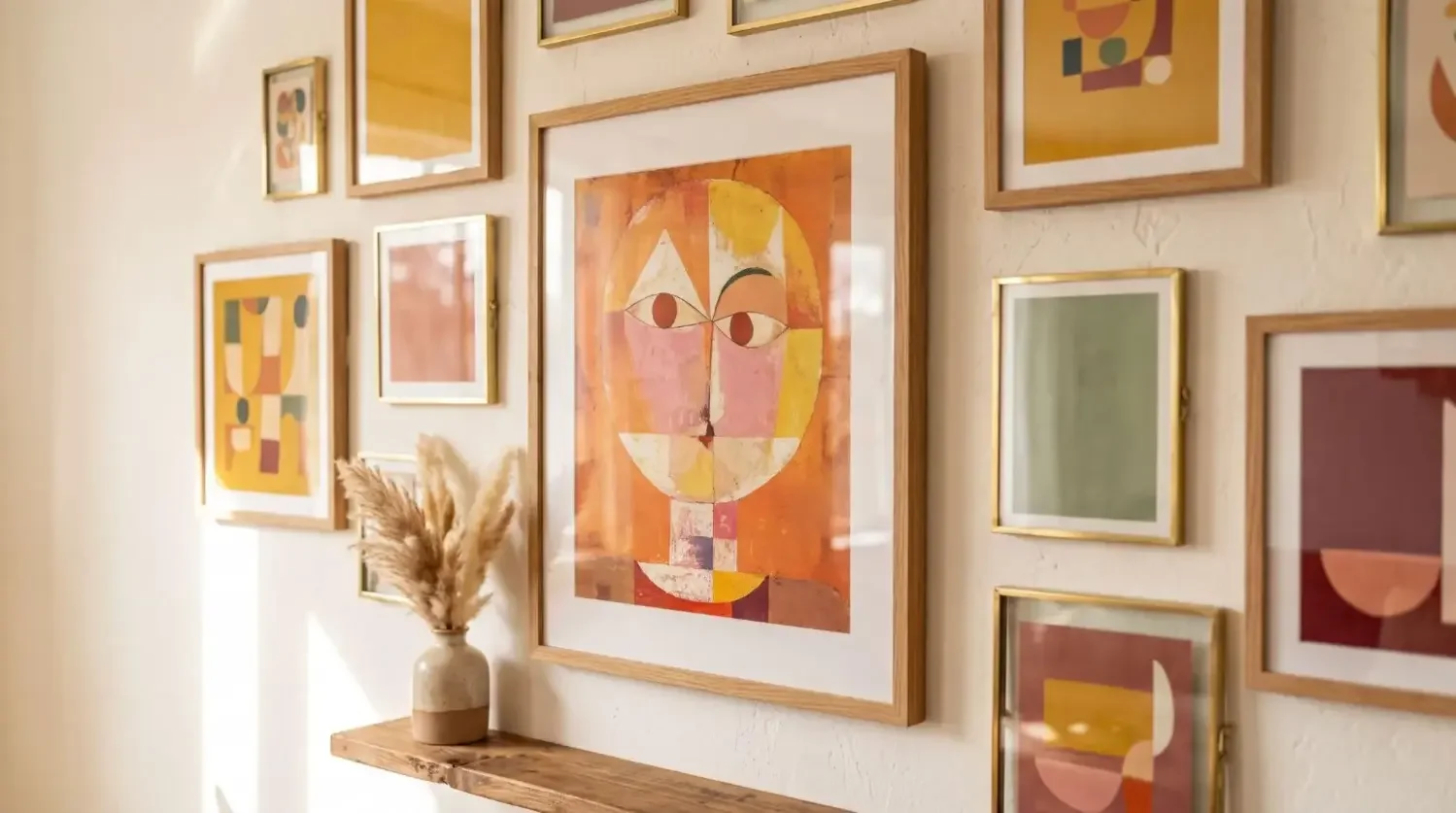
Inspired by the Bauhaus tradition and Suprematism, geometric abstract canvas art uses bold, flat shapes in carefully limited palettes. The square, the rectangle, and the circle become the subject matter itself. This style makes a confident visual statement while remaining orderly and intentional. A single color block piece can anchor an entire room's palette and set the tone for your wider design scheme.
Soft Texture and Impasto Abstracts
Subtle surface texture, whether in an original abstract painting or a high-resolution print, adds a tactile quality to minimalist pieces. These works feel handcrafted and quietly luxurious even in their simplicity, and they work especially well as large wall art in spaces that need warmth without visual noise.
Turn your favorite minimalist art images into stunning wall decor. Upload a photo, choose your layout, and create custom canvas prints that feel completely you. Create Your Mixtiles Wall.
Which Rooms Benefit Most from Minimalist Abstract Art?
Minimalist abstract art is one of the most versatile styles in home decor and has the power to elevate your space in nearly every room. The table below is a quick-reference guide to help you match art styles and Mixtiles tile sizes to each area of your home. For more detailed guidance on choosing the right dimensions for your walls, our wall art size guide walks you through every consideration.
|
Room |
Recommended Style |
Suggested Mixtiles Size |
|---|---|---|
|
Living Room |
Geometric, color block, or large abstract canvas art |
20×20" or 27×36" |
|
Bedroom |
Neutral earthy tones or soft line art |
12×12" or 12×16" |
|
Home Office |
Black and white minimalist wall art |
8×8" or 8×11" |
|
Hallway / Entryway |
Vertical abstract or small curated cluster |
8×11" or 12×16" |
Living Room: Make a Statement Without Noise

The living room is the natural home for bolder minimalist pieces. A large-format geometric print above the sofa, such as our 20x20 canvas prints, or a curated set of two or three neutral-toned abstract wall art pieces, can serve as the visual anchor of the entire space. Keep surrounding decor intentionally simple to let the art breathe and draw the eye. For more layout inspiration and styling ideas tailored to this room, explore our dedicated guide to abstract living room wall art.
Bedroom: Invite Calm and Contemplation

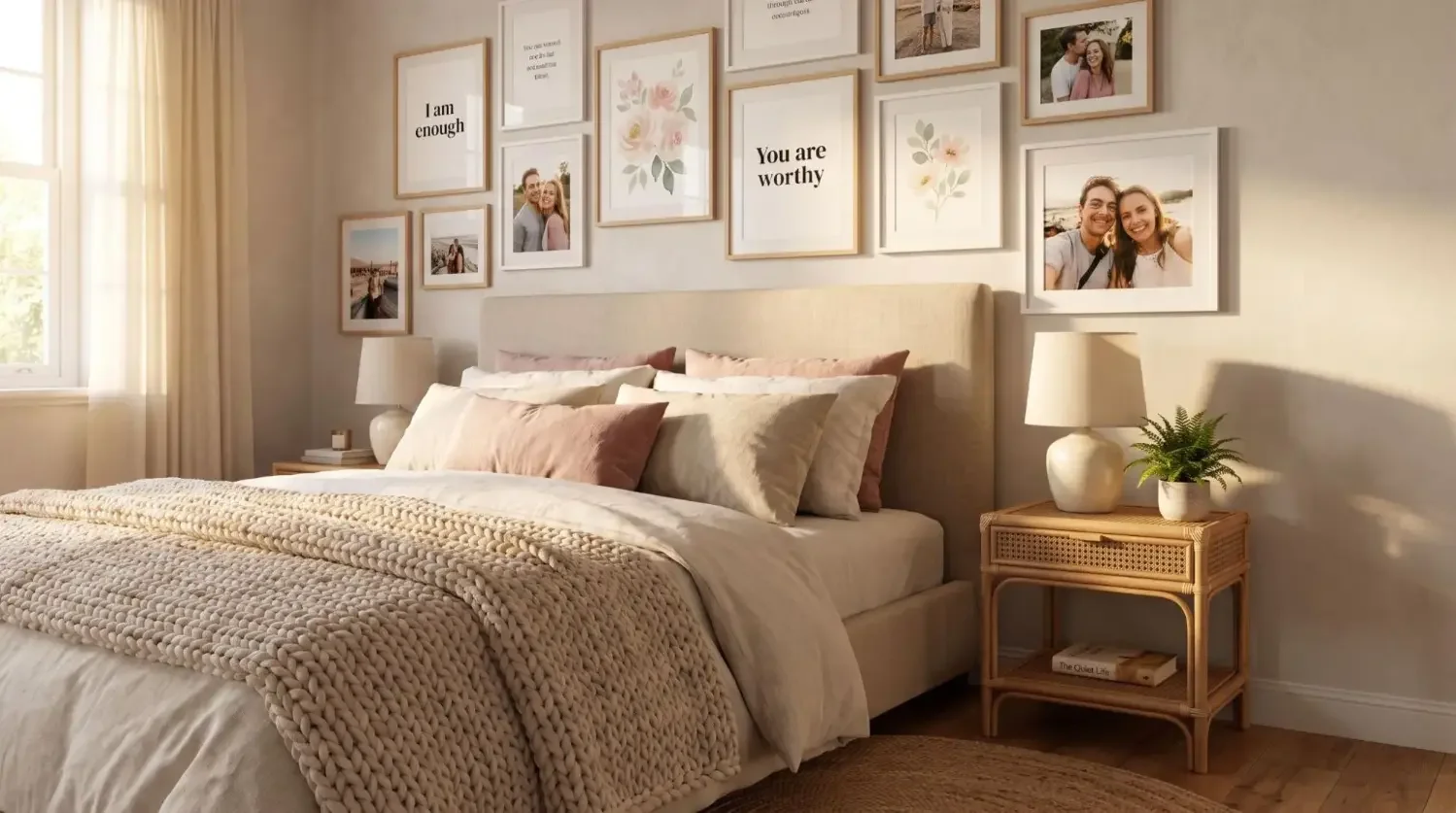
The bedroom calls for pieces that promote rest. Soft, muted palettes, from earthy tones to dusty pastels and delicate line work, work particularly well here. A pair of matching minimalist prints on either side of the bed creates symmetry and quiet luxury. White abstract art above a headboard is a beautifully understated way to tie a room together.
Home Office: Focus Through Simplicity

Minimalist wall art is ideal for a home office or study. Clean compositions and restrained color palettes reduce visual noise and support concentration. A single striking piece, a bold line drawing or a calm geometric form, adds personality without distraction and keeps the design intent of the workspace clear and purposeful.
Hallways and Entryways: Set the Tone from the First Step

Often overlooked, hallways and entryways benefit enormously from a considered art moment. A vertical minimalist abstract wall tile, or a small curated cluster of prints, sets the tone for the rest of the home the moment you walk through the door. This is also a great spot to experiment with new arrangements using Mixtiles' repositionable tiles before committing to a full gallery wall elsewhere.
How Should You Arrange Minimalist Abstract Art on Your Walls?
The way you display minimalist abstract art matters almost as much as the art itself. The right arrangement transforms a single piece into a room-defining moment. For a practical step-by-step approach to planning your display, our guide on how to arrange art on a wall covers spacing, alignment, and layout strategies that work for any room. These four approaches work beautifully with Mixtiles photo tiles and abstract canvas art in any combination of sizes:
- Solo statement piece: let a single large-format work stand alone on a clean wall, perfect for bold geometric or color block art;
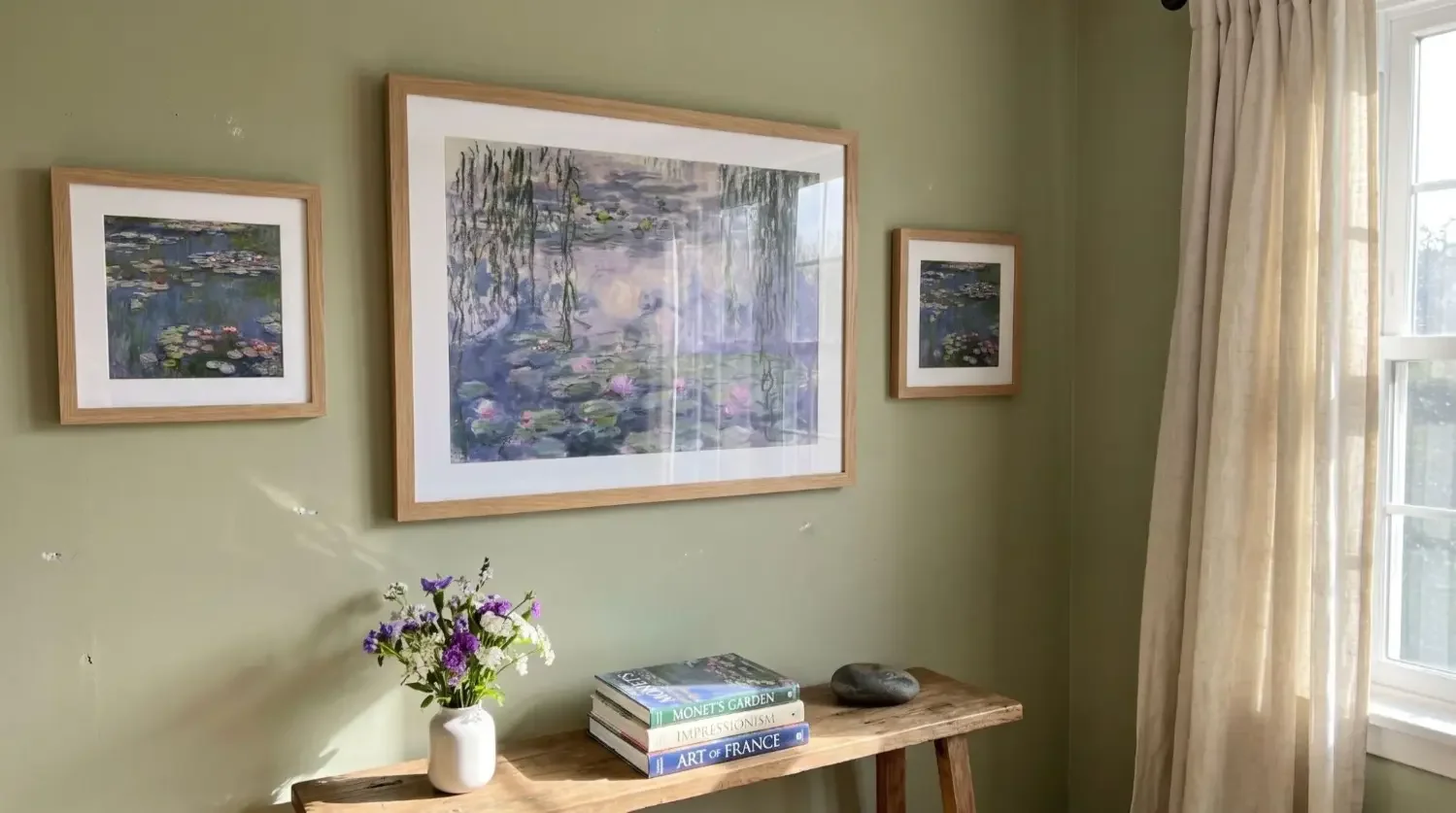
- Diptych or triptych: two or three related pieces displayed side by side create rhythm and visual continuity, particularly effective when using the same color palette;
- Curated gallery walls: mix sizes and orientations of minimalist pieces in a cohesive color story, using neutral tones, black and white, or a single carefully chosen accent hue;
- Symmetrical pairs: flanking a focal point such as a headboard, a mirror, or a fireplace with complementary prints brings balance and elegance to any room.
With Mixtiles, experimenting with these arrangements is effortless. Tiles stick, reposition, and restick without damaging your walls, so you can try a solo statement today and evolve into a full minimalist abstract wall over time.
How Can You Make Minimalist Abstract Art Truly Yours?
The beauty of minimalist abstract art is its openness to interpretation. Unlike a landscape or a portrait, it does not tell you what to see. It invites you to bring yourself to it.
Start by choosing colors that already speak to your room. Pull tones from your existing textiles, furniture, or architecture for a look that feels considered rather than assembled. From there, think about mixing photography with abstract prints. A Mixtiles photo tile of a meaningful monochrome image can sit seamlessly alongside a geometric abstract, blurring the line between personal memory and artistic expression in a way that feels entirely your own.
Approach your minimalist wall with intentionality rather than abundance. Begin with one well-chosen piece and add thoughtfully over time. And remember: negative space is not emptiness. Your white walls are part of the composition.
Minimalist abstract art is not just a trend. It is a way of seeing. By stripping away the unnecessary and focusing on what truly matters, it creates spaces that feel intentional, calm, and deeply personal. Whether you are drawn to bold geometric forms, soft earthy textures, or elegant black and white lines, there is a minimalist abstract style that speaks to your space and your story. With Mixtiles, bringing that vision to life has never been simpler.
Ready to create your minimalist wall? Design a custom photo gallery wall that reflects your aesthetic. Our products are repositionable, damage-free, and delivered right to your door. Start Designing with Mixtiles.
Frequently Asked Questions
What is minimalist abstract art?
Minimalist abstract art combines abstraction, moving away from realistic imagery, with minimalism, stripping away anything decorative or unnecessary. The result is work that communicates through shape, color, and composition alone, using clean lines, geometric forms, restrained palettes, and intentional negative space to create a powerful visual impact.
What is the 70/30 rule in art, and how does it apply to decorating?
The 70/30 rule suggests that a composition should be 70% dominant element and 30% accent. In home decor, this means letting a neutral base, walls, furniture, or textiles, lead, while minimalist abstract art fills the accent role, introducing just enough visual interest without overwhelming the space.
What are the main types of minimalist art styles to consider for your home?
The most popular styles for home decor include geometric and color block art, black and white line art, soft texture abstracts, and earthy tone compositions. Each creates a distinct mood, from bold and graphic to warm and meditative, making it easy to find a style that suits your space.

Be the first to know — deals, news & decor ideas.
By clicking you agree to the Terms of Use & Privacy Policy