
Photography Art Explained: Transform Your Photos Today
Key Takeaways
- Photography art blends intention, composition, and emotion so your images become a meaningful visual expression rather than simple snapshots;
- From early skepticism to museum mainstay, the medium shows that ideas, style, and presentation define “art,” not gear or price of equipment;
- Fine art photography spans many forms, from black and white portraits to conceptual and landscape photography, united by a clear point of view;
- You can design, print, and display artful photographs at home, then turn them into removable, reusable wall pieces with Mixtiles in minutes.
Photography art is more than a nice picture. It is the intention, composition, and emotion that turn an image into a story you will be proud to see on your wall. In this guide, we explain what is photography art, how photography becomes art in galleries, the signals that separate snapshots from a work of art, and practical steps to create and display your own. When you are ready, Mixtiles helps you transform your camera roll into gallery-worthy wall art without nails or stress.
Bring your vision to the wall. Upload your favorite photos and get them as lightweight, adhesive photo tiles you can stick and rearrange without damage. Explore our full collection of wall arts on the Mixtiles app or website today.
What is photography art?
At its core, art photography is created with an artistic intent. The photographer uses composition, light, editing, and presentation to express an idea, emotion, or point of view about the subject. It can be digital photography or film, color or black and white, documentary or staged. What matters is the artist’s voice and the way the final image communicates something real to viewers. When your photographs feel like a clear visual statement and not just a record of events, they are considered art.
How did photography become recognized as art?
Photography began as a scientific and mechanical invention. Over time, artists and art photographers proved that the medium could carry complex ideas and powerful feelings. That journey from tool to visual art shows why intention and presentation matter so much.
A quick timeline (without the art-school jargon)
In the early days, Pictorialism borrowed painterly effects to help photography gain acceptance among the arts. Then modernist photographers embraced sharp focus, form, and abstraction, so the medium could stand on its own. In the late twentieth century, conceptual, documentary, and large canvas photo prints were produced for museums, and galleries displayed many new forms of photography. Today, fine art photographers explore identity, landscape, architecture, and still life photography, and photography is a central part of contemporary visual media and exhibitions.
What makes a photograph “art” and not just a snapshot?
A snapshot records what happened. Art photography interprets what it meant. If you are wondering how to tell the difference, focus on clear intention and craft. When the image is created to communicate, not just to remember, you are moving into fine art territory.
Use these reliable markers to evaluate your own work or the work of other artists:
- Clear concept: The image expresses a coherent idea, emotion, or perspective about its subject;
- Composition that leads the eye: Balance, lines, framing, and layers guide how people see and feel;
- Deliberate light and color: Choices in brightness, contrast, palette, or black and white shape the mood;
- Selective editing: Adjustments serve the story and never distract from the main subject of the photograph;
- Presentation: How the image is printed and displayed elevates impact and signals a finished work of art.
Which photography styles count as art?
Many forms of photography are considered art when intention is clear and craft is strong. Below are popular approaches you can use for your own wall display at home.
Fine art portraiture

This focuses on identity, expression, and storytelling rather than a simple likeness. Lighting, pose, and environment work together so the photographer and the subject create a unique, interpretive view of a person.
Fine art landscape

From quiet, minimal scenes to dramatic mountains, landscape photography often emphasizes atmosphere, patterns, and time. Think of fine art photographers like Ansel Adams whose black and white images of nature are both precise and deeply expressive.
Conceptual photography

Here the idea drives the image. The artist may stage scenes or use post-production to visualize an abstract feeling or thought, turning something invisible into a clear visual sign that viewers can read.
Still life and architectural

Still life photography and architectural photography celebrate shape, texture, and light. Everyday objects or buildings become design muses. Strong geometry, repetition, and shadow, often produced with careful studio light or patient natural light, create striking images.
Can your everyday photos become art for your walls?
Yes. Start with a story. For example, focus on quiet mornings, family motion, or the geometry of your city on a rainy day. Build a small series that shares a consistent look and emotion. Convert some images to black and white if the mood calls for it, since that simplifies color and highlights form. Crop with intention, and let negative space breathe so the subject feels calm and considered. When the series feels cohesive, you have a set that will read like art on your wall.
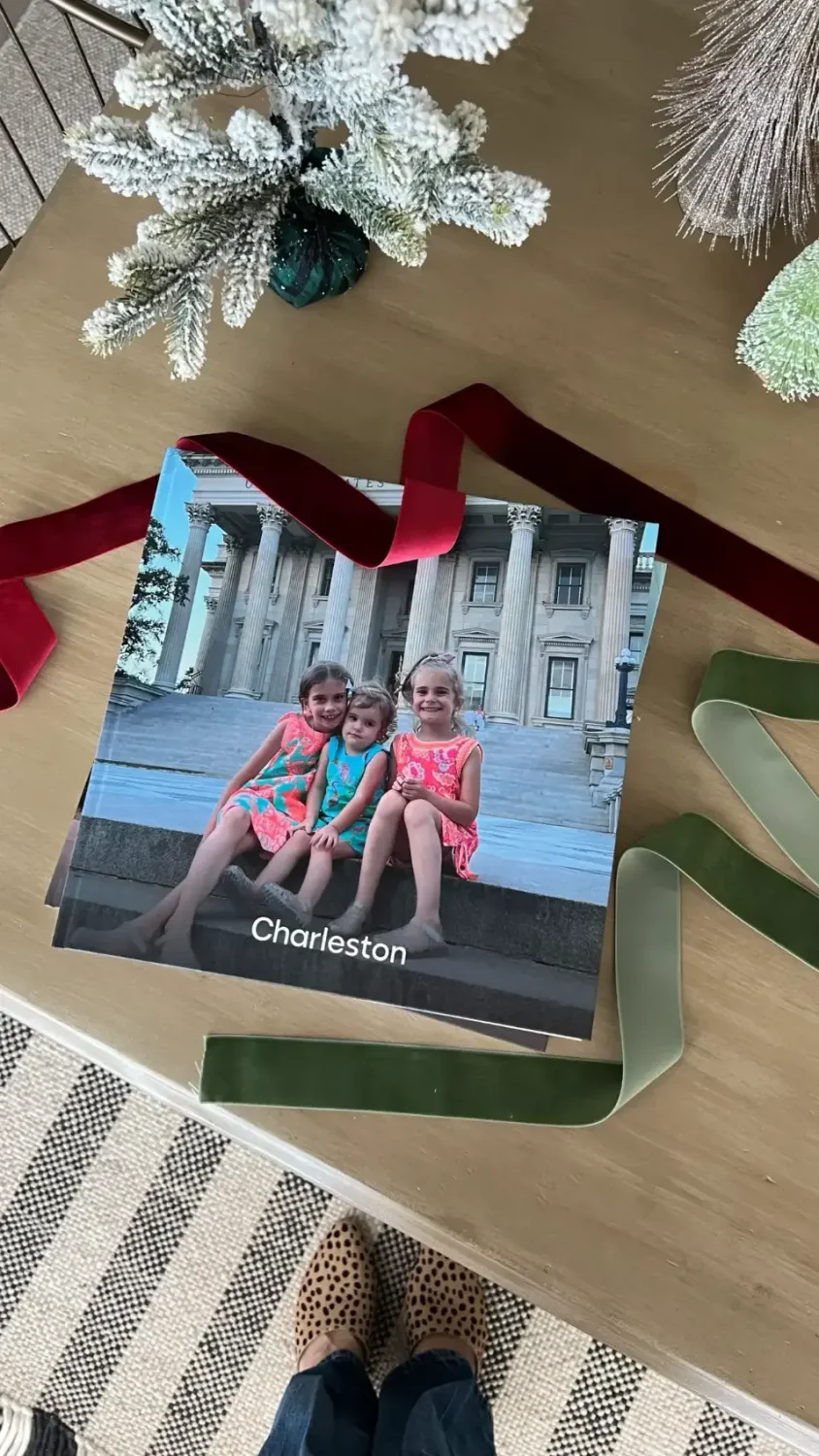
Turn your themed series into a curated display. Order a matching set of Mixtiles to create stunning gallery walls you can remix anytime. You can also preserve your series in a beautiful family photo book to enjoy for years to come.
How do you compose photos that feel like art?
Composition is how you arrange elements in the frame. A few practical choices will immediately make your images look more intentional and artful.
Keep this short list handy as you shoot and edit:
- Balance and symmetry: Centered subjects or mirrored elements create calm, museum-friendly images;
- Leading lines and layers: Roads, fences, or window frames guide the eye and add depth to the visual narrative;
- Rule of thirds versus center frame: Thirds feel dynamic, while a centered subject can feel serene and formal;
- Color strategy: Muted palettes suggest contemplation, while a single bold hue can anchor the image as a focal point;
- Light choice: Backlight adds drama, side light reveals texture, and soft window light makes people look natural and warm.
What about editing ? How much is artistic versus too much?
Edit with the story in mind. Adjust exposure, contrast, and color so the subject and message are clear, not so the filter becomes the subject. Keep skin tones natural for portraits unless your concept suggests otherwise. Use localized adjustments to subtly guide attention, like lifting shadows around a face or increasing clarity on key textures. Export high-resolution files so your prints hold fine detail and look consistent across your set.
How should you print and display photography art at home?
Printing and presentation turn your image into a finished piece. Choose consistent sizes and frames so a series reads as one body of work. Mixtiles makes this easy with cohesive formats and adhesive or magnetic mounting that will not damage walls.
For help picking proportions that fit your room, consult our wall art size guide.
Printing tips that protect detail
Export at 300 DPI at the intended print size. If you are mixing color and black and white in one display, match overall brightness so the set feels balanced. For a clean gallery look, consider keeping everything square or everything portrait in one arrangement.
Layouts that always look curated
If you want extra placement confidence, read our guide on how to arrange art on a wall.
These dependable arrangements work in living rooms, bedrooms, offices, and small business spaces:
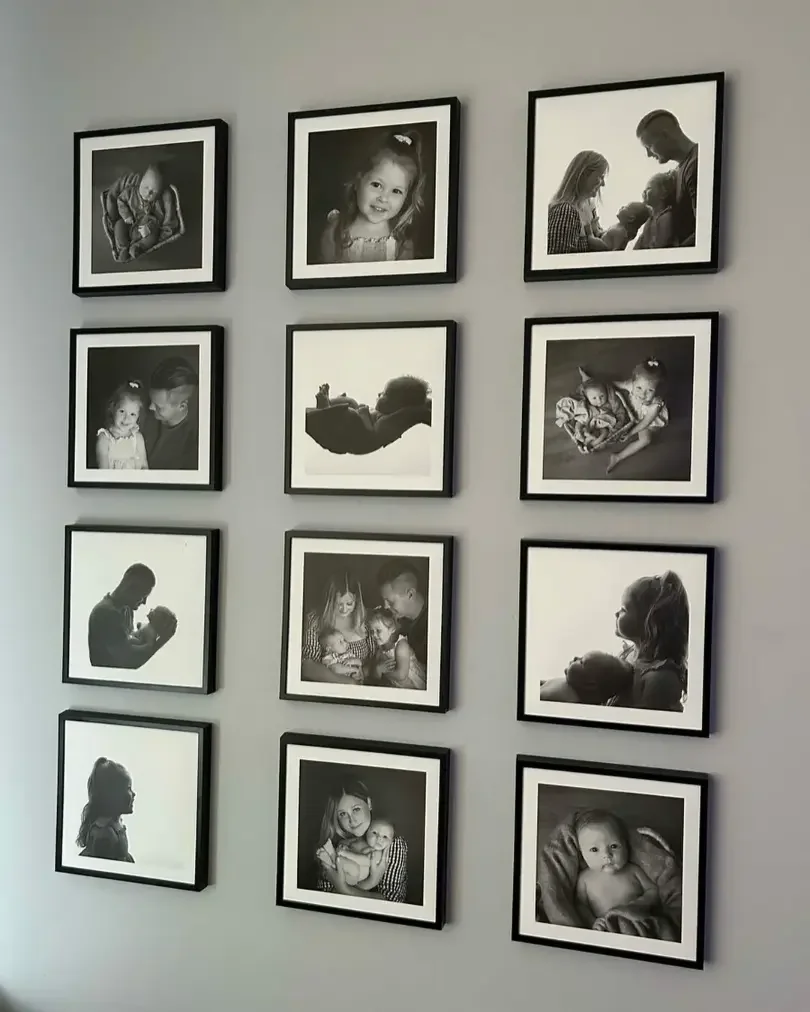
- Grid of six to nine tiles: Perfect for a cohesive series with equal spacing and a modern, editorial feel;
- Linear triptych: Three in a row, great over a sofa or headboard for simple storytelling flow;
- Asymmetric cluster: A relaxed composition that mixes sizes while keeping tight gaps for unity.
Why presentation matters
Consistent frames and spacing signal intention to viewers. Removable, reusable mounting lets you refine your curation over time as you create new images. With Mixtiles, you can move pieces without nails, so evolving your wall is simple and safe for your paint. If you are renting or prefer a damage free setup, learn how to hang wall art without nails.
What is an easy way to go from camera roll to “gallery wall”?
Curate a theme, then select six to twelve images with a consistent edit so the set feels like one voice. Order them as Mixtiles for a modern, lightweight frame you can stick without nails or tools. Lay the tiles on the floor to test arrangements. When ready, place the first tile at eye level, then build out with even gaps. For exact guidelines, see how high to hang art on a wall. If you change your mind, lift and reposition. Refresh with seasonal swaps, add a Wall Sign for a title, or mix in a Canvas Tile for a bold focal point. You can also explore our photo gallery wall kits for pre-curated layouts designed by our team.
Popular Mixtiles sizes for artful photo displays
Choosing sizes that fit your wall and viewing distance helps your photographs read clearly. Here are a few popular options with actual dimensions for planning:
|
Advertised Size |
Actual Size (inches) |
Actual Size (cm) |
Great For |
|---|---|---|---|
|
8 × 8 |
8.4 × 8.4 |
21.35 × 21.35 |
Small grids, square Instagram-style images |
|
12 × 12 |
12.44 × 12.44 |
31.6 × 31.6 |
Stand-alone portraits or pairs with breathing room |
|
12 × 16 |
12.44 × 16.44 |
31.6 × 41.75 |
Triptychs over consoles or headboards |
|
20 × 27 |
19.5 × 27 |
49.53 × 68.58 |
Statement pieces or anchors for mixed clusters |
Tip: Keep consistent formats across a set for a unified look, then add a contrasting size as a single focal point if you want visual variety.
Why your photos belong on a wall, not just on your phone
Photographs are produced in a world filled with screens and news feeds, but a printed image changes how people see and feel. Printing slows time. It invites a longer look. It turns something fleeting into a tangible sign of your life, your people, and your perspective. When your work is created with intention and presented well, your home becomes a living gallery where your story is the main event.
Now you know what is photography art, and how to compose, edit, and display images so they read as a finished work of art. Choose a theme, make photographs with purpose, refine the image through careful editing, and present the set with consistent sizes and spacing. When you are ready to bring your vision home, Mixtiles makes it effortless to create a gallery wall you can update any day. No nails. No stress. Just your unique view turned into visual art people will love to see.
Make your own art display today. Turn your favorite images into high-quality canvas prints delivered to your door. Try a classic 12x12 canvas print to start your collection.
Frequently Asked Questions
What does photography as art actually mean?
Photography as art means creating images with intention and craft to express an idea or feeling, not just to document. Through composition, light, editing, and presentation, the photographer turns a moment into a personal visual statement that invites interpretation and emotion.
What are four common types of fine art photography?
Portrait, landscape, conceptual, and still life or architectural are four common types. Each uses composition, light, and editing to communicate a clear point of view. Choose one theme, build a cohesive series, then print and present consistently at home with adhesive frames like Mixtiles.
What is Ansel Adams’s most famous photograph?
Many consider Monolith, the Face of Half Dome, made in 1927 in Yosemite, as his most famous image. Shot with a large format camera, its dramatic tonality and precise composition helped establish Adams’s reputation and the power of fine art landscape photography.
Did Andy Warhol use photography in his art?
Yes. Warhol used photography throughout his career, including Polaroids, photobooth strips, and 35mm snapshots. He also relied on photo sources for his silkscreens. Photography shaped both his process and public image, bridging pop culture imagery with contemporary fine art.

Be the first to know — deals, news & decor ideas.
By clicking you agree to the Terms of Use & Privacy Policy