
What is Fine Art Photography? Discover Its Essence
Key Takeaways
- Fine art photography is led by an artist’s intent and concept, not documentation or commercial goals;
- Great work shows a clear idea, cohesive technique, and a related body of images;
- Getting started is simple: define a theme, choose subjects and techniques, create a series, write an artist statement;
- Printing and display shape meaning, and Mixtiles makes it easy to curate, hang, and refresh a home gallery.
Fine art photography is not just a pretty picture, it is a photograph created to express an idea, emotion, or message. If you are wondering what is fine art photography, think of images where the photographer decides every element to communicate something specific. Unlike commercial shoots or photojournalism, the aim is not to sell or simply record, it is to share a concept through subject choice, style, and presentation. Here is a quick, practical guide to understand it and display your work at home.
Turn your favorite images into a peel-and-stick gallery with our custom photo tiles. Print with Mixtiles: it's easy, no nails, no mess.
What is fine art photography?
At its core, fine art photography is photography used as an artistic medium to convey an idea or emotion. The photographer’s intent comes first, and the image is crafted to express that vision. This is different from documentary or photojournalism, which prioritize truth-first facts, and from commercial work that serves client goals.
Hallmarks that art photographers often share include a cohesive visual language, a curated series rather than standalones, and a short artist statement. The images can be color or black and white, portrait or still life photography, minimal or layered, as long as the choices serve the concept.
How is it different from other types of photography?

Fine art can look like landscape, portrait, abstract, or still life, but the concept directs every decision. Editing is a creative tool to support the idea, not a shortcut. Sequencing, size, and where you display the work also affect how viewers see and interpret the series in real life.
Which genres often cross into fine art?

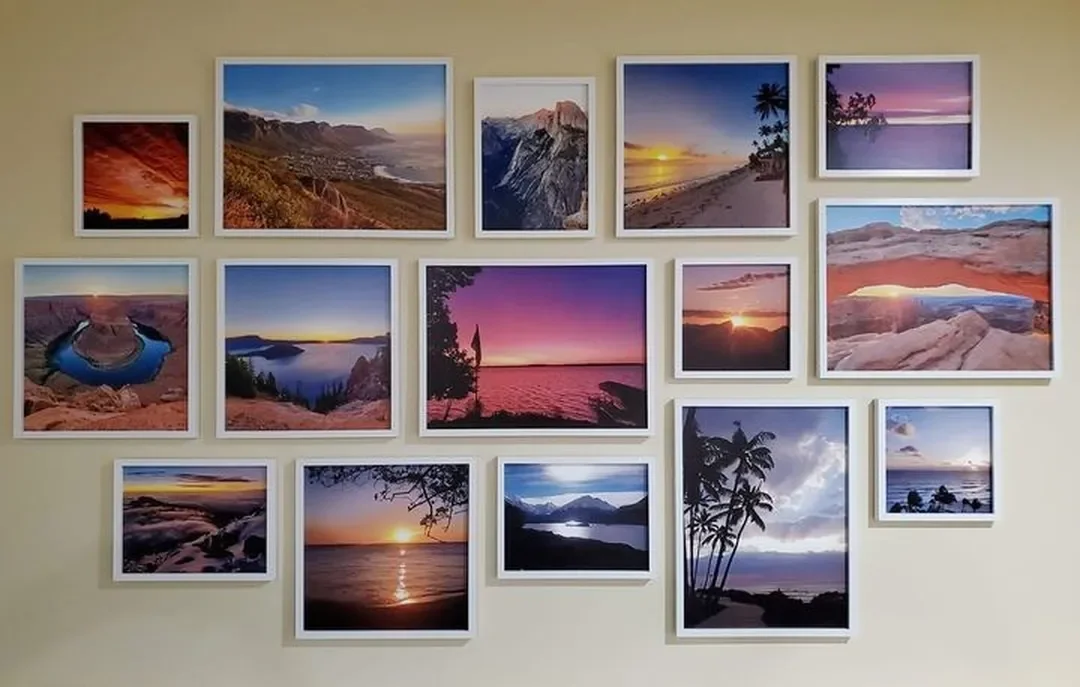
Landscape and nature can explore mood or conservation themes and become a fine art photo series. Portrait and self-portrait projects often examine identity, performance, or time. Still life and abstract work can turn everyday objects into symbols, transforming an art photo into a clear statement.

Ready to share your concept on your walls? Create a stunning photo gallery wall in minutes. Our tiles stick, restick, and never damage paint.
What makes a strong fine art photo series?
Three things usually stand out: a clear vision, cohesion, and craft. Define your idea in a sentence or two, then keep technique consistent, for example color palette, aspect ratio, lighting, or lens choice. Use solid composition and light, mindful post-processing, and deliberate sequencing so the set reads as one artwork over time.
How do you get started?
- Brainstorm a theme you care about, then write 2 to 3 sentences that define your intent;
- Pick your subject approach, for example people, places, or objects, and settle on a consistent look;
- Create 12 to 20 images, then edit to the strongest 6 to 10 that clearly express your idea;
- Write a brief artist statement explaining what, why, and how.
How should you print and display fine art photos at home?
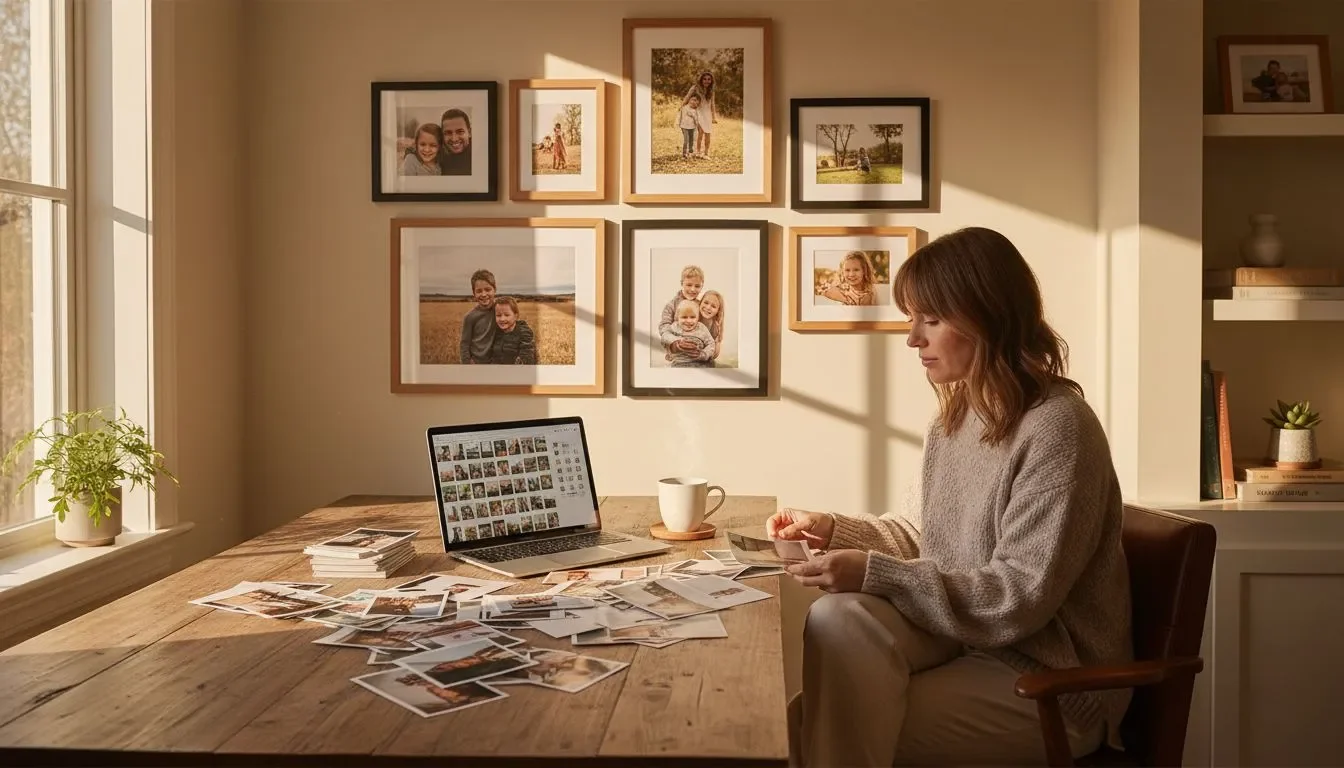
Physical presentation changes how viewers experience photography and fine concepts. Curate a mini-series for your wall, then choose formats that fit your space, like our popular canvas photo prints or versatile Gallery Wall Kits. You can rotate sets seasonally to keep the work fresh while creating fine art that evolves with your home. Not sure which dimensions will look right? Use our wall art size guide to choose proportions that suit your room and viewing distance.
|
Popular Mixtiles Sizes |
Approx. Dimensions |
|---|---|
|
Square Small |
8.4 × 8.4 in, 21.35 × 21.35 cm |
|
Square Medium |
12.44 × 12.44 in, 31.6 × 31.6 cm |
|
Classic Rectangular |
12.44 × 16.44 in, 31.6 × 41.75 cm |
|
Square Large |
19.5 × 19.5 in, 49.53 × 49.53 cm |
What layouts and sizes work best in real rooms?
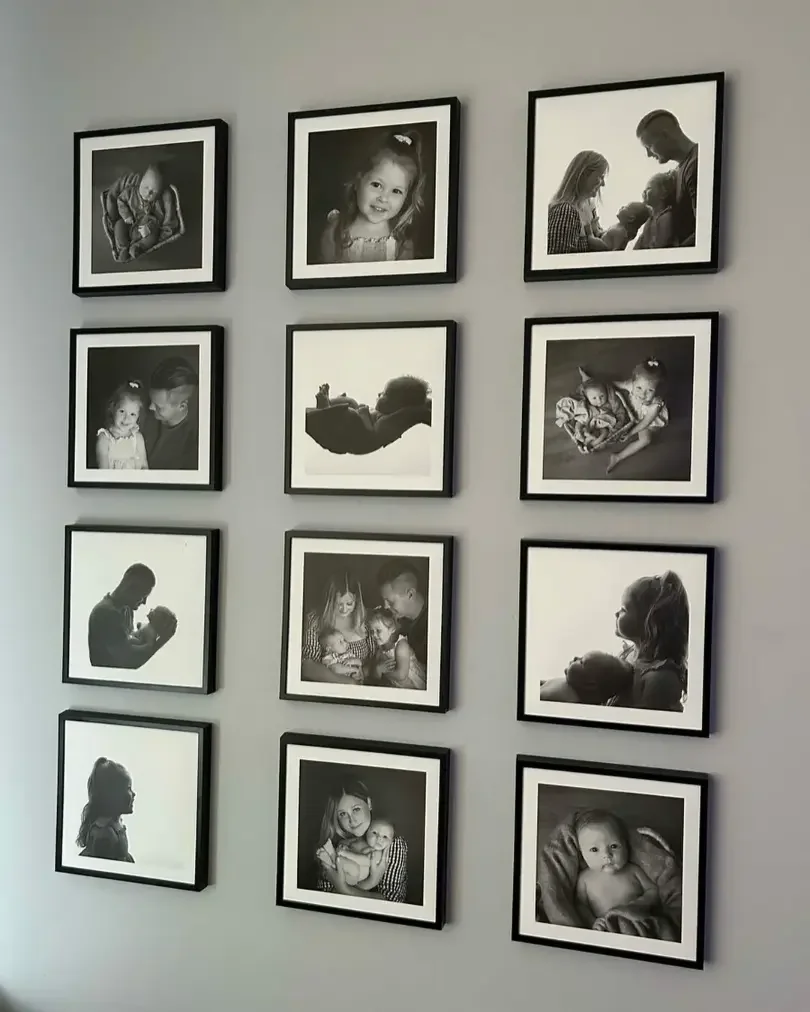
For a clean, modern gallery, arrange square tiles in a tight grid. Hallways love small clusters that invite close viewing. Over sofas or beds, use larger squares or rectangles for balance. Mix in a Wall Sign to title your series or pair it with a custom photo book that expands on your theme. If you are mapping your layout, start with these tips on how to arrange art on a wall.
For room-by-room measurements, see our guide on how high to hang art on a wall.
- Set centers at about 57 to 60 inches from the floor for eye level;
- Keep even spacing, for example 2 inches, for a gallery look;
- Group by theme or color so the concept reads clearly.
No drill? Learn how to hang wall art without nails to keep your walls pristine.
Fine art photography starts with intent and comes to life through cohesive images and thoughtful presentation. Whether you explore portrait, still life, or landscapes, the path to creating fine art is to define an idea and build a consistent series. When you are ready to share, our diverse collection of wall arts makes it easy to elevate your message at home.
Build your own at-home gallery. Print your fine art series on our high-quality canvas prints or create a dynamic display with our classic tiles. Get started today.
Frequently Asked Questions
What are the seven elements of art in photography?
In photography, the seven elements of art are line, shape, form, texture, color, value, and space. They guide how you compose and light a scene, influence mood and focus, and help build a cohesive visual language for a fine art series.
How is fine art photography different from straight photography?
Straight photography aims for faithful, unmanipulated representation, with minimal staging or editing. Fine art photography begins with an artist’s concept, then uses subject choice, technique, sequencing, and printing to express that idea. Intent, not pure realism, drives the creative decisions.
Was Ansel Adams a modernist photographer?
Yes. Ansel Adams is widely associated with modernism and the Group f/64, known for sharp focus and formal clarity. He also balanced art and commerce through teaching, publishing, and commissions, while creating landmark landscapes that still influence fine art photography.
Which photography genres often become fine art projects?
Landscape, portrait, still life, and abstract are four common genres that can become fine art when guided by a clear idea. The concept shapes styling, editing, and presentation, so even everyday scenes can read as art when sequenced and printed thoughtfully.

Be the first to know — deals, news & decor ideas.
By clicking you agree to the Terms of Use & Privacy Policy